

We all know the crucial role that fire doors play. But fire door hardware is an equally essential part of fire safety performance. Not only does hardware help to maintain the integrity of a fire door, but it also ensures the fire door can successfully do its job of compartmentalisation, minimising the spread of fire and smoke.
In this guide, we’ll explore everything you need to know about fire door hardware. We’ll talk you through the different types of fire door hardware, their functionality, and the compliance requirements you should be aware of.
Fire Door Hinges
What Do Fire Door Hinges Do?
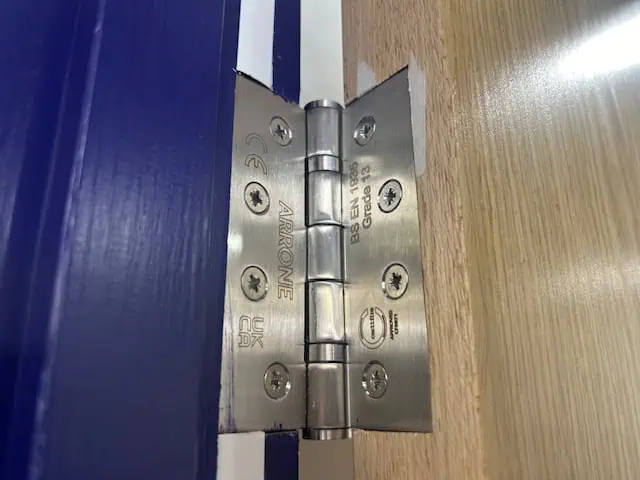
Fire doors require special hinges that are designed to support the weight of the door and cope with the extreme temperatures of a fire.
Fire door hinges should be constructed from steel, phosphor bronze or brass. They should also pass durability tests of at least 200,000 cycles and be able to withstand temperatures of at least 800°C.
Compliance and Standards
Unlike normal door hinges, hinges for fire doors need to be fire-rated, CE marked, or UKCA marked to BS EN 1935, and have a durability grade of 11.
Fire door hinges should also be tested to BS EN 1634-1 or BS EN 1634-2, which proves their effectiveness in maintaining the door’s fire resistance capabilities.
Installation Best Practices
Most fire doors will require three hinges for installation. But if a door leaf is particularly heavy, it may require more. You’ll also need to make sure that you have the correct size and type of fixing screws for your specific hinges.
Because of the high temperatures hinges can reach in the event of a fire, most manufacturers recommend using intumescent hinge pads. These provide additional protection to the timber of a door and prevent excessive charring if a fire occurs.
During installation, it’s a good idea to mark the hinge positions when machining the frame and door leaf, working from the top down, and making sure you don’t over-mortice the timber.
Ensure all fixing screws are securely tightened. For timber doors, the screws should be at least 3.8mm (no. 8) and a minimum of 30mm in length.
Common fire door hinge installation mistakes to avoid:
- It’s important not to use any combustible materials, such as plastic or cardboard, behind the hinges as this will lead to early failure of the fire door.
- Don’t over-mortice the timber.
- Make sure screws aren’t too short or failing to fix the hardware securely to the surrounding structure.
Fire Door Latches
What Do Fire Door Latches Do?
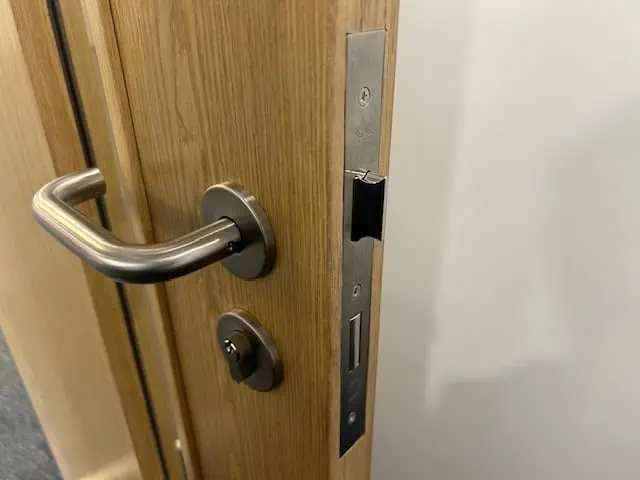
By helping to hold the fire door tightly closed within its frame, a fire door latch plays a vital role in compartmentalisation. It ensures the door remains closed against the pressure exerted by a fire until the intumescent materials activate, sealing the gaps between the door and frame.
They also work alongside automatic self-closing devices to ensure doors return to a closed position each time they’re opened.
Compliance and Standards
Fire door latches must be CE marked and comply with BS EN 12209. This ensures that they’re suitable for their purpose of maintaining fire resistance, as well as providing security.
Installation Best Practices
Once you’ve marked where the latch is going to be installed and created the recess, it’s time to insert the latch into the mortised area to make sure it fits correctly. You can now screw the latch in place using the screws provided or as specified in the manufacturer’s instructions. If required, fit intumescent pads or mastic around the latch to enhance the fire protection.
Now you’ll need to fit the keep. With the door closed, mark where the latch bolt meets the frame. Like you did with the door, create a recess in the frame using the keep as a template. Then, install the keep using the appropriate screws and intumescent material if needed.
Common fire door latch installation mistakes to avoid:
- Excessive or inaccurate mortising can create voids in the door, misalignment or improper latch engagement, compromising its fire resistance.
- Like with hinges, make sure screws are the right size so that latches are securely attached.
- Make sure you use intumescent protection where specified by the manufacturer.
Fire Door Self-Closing Devices
What Do Fire Door Closers Do?
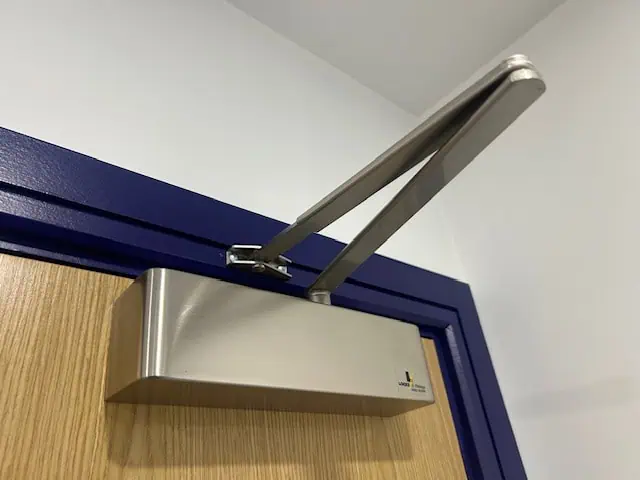
Regulation 10, which was introduced after the Grenfell disaster, places particular emphasis on the importance of effective self-closing devices. Why? Well, closers ensure that the fire door can self-close all the way to the rebate stop and latch, helping to minimise the spread of fire and smoke.
Not every door requires a closer. Flat entrance doors, hotel rooms and cross corridor rooms certainly will. But cleaner’s cupboards, dry risers, and some plant rooms won’t.
Location and environment play a key role in determining the best type of closer. A heavy duty closer won’t be appropriate in a care home for example. In this instance, a closer with a swing free device would be more suitable as they offer less resistance when pushed.
Compliance and Standards
In the UK, all fire door closers should be CE and UKCA marked and comply with BS EN 1154. The closer must also meet or exceed power size 3. Additional certification by recognised bodies like Certifire provides further assurance of compliance.
Installation Best Practices
Once you’re happy the closer you’re using is compliant and compatible with your fire door, it’s time to carefully install it using the fitting instructions provided.
It’s imperative that you use the fixings that are supplied with your closer because these are specialist fire safety fixings.
It’s also important that the door doesn’t bind on any seals or the frame when it closes. The closer must be able to overcome this friction. If it can’t, it means the fire door is non-compliant. To test this, check that the door closes and latches from a 90-degree and 45-degree angle. Then check that it also closes from 75 millimetres.
Common fire door closer installation mistakes to avoid:
- Incorrectly positioning the door closer, e.g. installing it on the push side when it should be on the pull side, can impact its performance.
- Concealed closers often require intumescent protection and failure to do so can lead to early failure during a fire.
- Using extra spring strength to overcome improper seal installation or other resistances can lead to excessive force, causing wear and tear.
- Closers should close the door gently within 10 seconds from a 90-degree angle. Failing to adjust the closing speed can cause the door to slam or not close properly.
Fire Door Seals
What Do Fire Door Seals Do?
In every fire door installation, there needs to be a gap between the door frame and door leaf to help the door open and close freely. However, if there’s a fire, this gap could pose risks to life and property by allowing fire and smoke to escape.
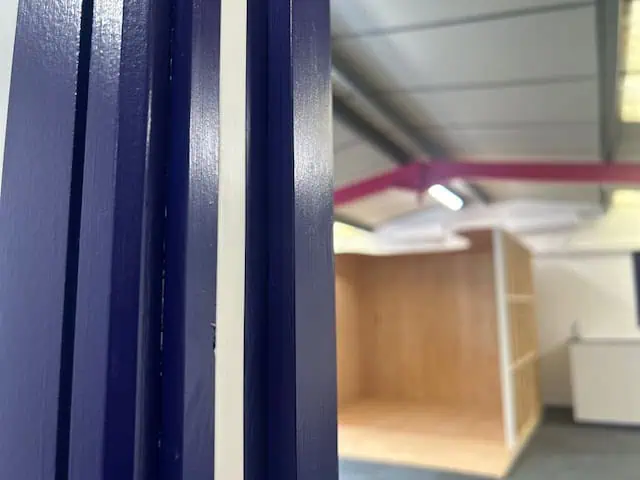
That’s why every fire door needs a fire door seal. Installed between the door frame and the door, fire door seals fill these gaps to prevent the spread of fire and smoke.
Intumescent strips are designed to expand when they heat up. If there’s a fire, the rise in temperature activates the material inside the PVC casing, causing it to swell. The expanded strip then plugs the gap, preventing the heat and fire from spreading to another area of the building.
A smoke seal is like an intumescent strip, but its primary function is to prevent the spread of smoke. Unlike intumescent strips, smoke seals usually have a brush or fin that stops the smoke, allowing time for residents to escape and preventing the spread of poisonous gases.
Compliance and Standards
Any seals that you do install should be sourced from reputable manufacturers, have third-party certification and proof of performance.
Like other hardware, fire door seals should be rigorously tested in real-life fire conditions by the manufacturer. They must also meet specific industry standards, such as BS 476 or EN 1634.
Installation Best Practices
If the door frame or fire door already has the right grooves in place, then fitting intumescent strips or seals is relatively easy. If they don’t then you’ll need a competent person to carry out the work.
Once the groove is in place, run a dry cloth down it to remove any loose debris or dust. Once clean, check that the seal you’re using is the correct depth for the groove. Remove the adhesive on the back of the seal then place it in the groove, taking care to ensure the fit is tight and the seal is flush with the frame or door leaf.
The final step is to check that the door opens and closes freely with no friction or binding issues.
Common fire door closer installation mistakes to avoid:
- Not cleaning the groove before fitting the seal can lead to poor adhesion and a loose fit.
- Cutting seals to the wrong length or not fitting them securely can lead to gaps or loose ends.
- Smoke seals should make proper contact with the door edge or face when mounted.
- Painting over seals or using nails and other mechanical fixings can reduce their effectiveness and performance in a fire.
Inspection and Maintenance Tips for Fire Door Hardware
It’s essential to carry out regular inspection and maintenance of hardware to ensure that a fire door functions correctly during a fire and complies with safety standards. Hardware inspection should take place during a routine fire door inspection.
Here are some key things to look out for during your assessment:
- Check for any signs of wear and tear, corrosion or damage that might impact performance.
- Confirm that the hardware operates smoothly and is properly aligned, allowing the door to close fully and latch properly without resistance.
- Ensure all hardware fixing screws are present, secure and in the right place.
- Ensure all hardware has the correct markings and certificates.
- Check and verify whether there is any intumescent protection on certain hardware like hinges and latches.
If you do notice any damaged or worn-out hardware, they should be replaced straight away.
To Summarise
Fire door hardware is just as crucial as the fire door itself. A thorough, compliant fire door installation is made up of many different steps and components, with each one playing a vital role in the door’s effectiveness and ability to save lives.
It’s a complex process and one small mistake can lead to fire door failure. That’s why it’s so important to check the certification of each component and adhere to the manufacturer’s instructions at every stage.
At UK Fire Door Training, we’ve designed courses specifically to improve your skills, knowledge and competency when installing and inspecting fire doors. Discover more about our training courses here or get in touch if you have any questions.



0 Comments
Trackbacks/Pingbacks